

A swimming pool is a valuable feature for many homes and properties in Brookings, Oregon. Over time, however, the surface of a pool naturally wears down due to constant exposure to water, chemicals, and weather conditions. Pool resurfacing and plastering are essential maintenance services that restore the appearance, comfort, and durability of a swimming pool.
PDX Pools provides professional pool resurfacing and plastering services. These help extend the lifespan of residential and commercial pools while improving safety and overall performance.
Call us at 503‑560‑6466 to restore your pool’s surface with professional care.
Pool resurfacing is the process of replacing or restoring the interior surface of a swimming pool. The surface layer protects the underlying pool structure and provides a smooth finish for swimmers. As years pass, this surface can become rough, stained, cracked, or deteriorated.
Resurfacing removes the worn surface and applies a new material designed to withstand water exposure, chemical treatments, and seasonal weather changes. A properly resurfaced pool looks refreshed and improves water retention and structural integrity. Most pools require resurfacing every 10 to 15 years, depending on the materials used, the level of maintenance, and how often the pool is used.
Pool plastering is a specific type of pool resurfacing that involves applying a plaster-based finish to the interior of the pool. Plaster is one of the most common materials used in concrete and gunite pools.
This process involves spreading a mixture of cement, sand, and water across the pool shell to create a smooth and watertight layer. Once cured, the plaster forms the final surface that swimmers touch and see. Pool plastering improves the appearance of the pool while protecting the underlying concrete from water penetration and damage.
Signs Your Pool May Need Resurfacing
Pool surfaces gradually wear down, and recognizing the early signs of deterioration helps prevent larger structural problems. Some common indicators that a pool may need resurfacing include:
If these issues appear, resurfacing can restore the pool’s functionality and improve swimmer comfort.
Contact us today to address cracks, stains, or rough surfaces before they worsen.
Resurfacing and plastering offer several important benefits for pool owners.
A fresh pool surface dramatically improves the visual appeal of a swimming pool. New plaster provides a clean, smooth finish that enhances the color and clarity of the water.
Old or deteriorated surfaces can become rough and uncomfortable. Resurfacing creates a smooth texture that is safer and more enjoyable for swimmers.
The interior surface of a pool acts as a protective barrier for the underlying shell. When the surface deteriorates, water can penetrate the concrete and cause structural damage. A new plaster layer helps prevent these issues.
A properly resurfaced pool resists staining and algae buildup. This makes regular cleaning and chemical balancing more effective and less time-consuming.
Resurfacing restores the protective layer of the pool, helping the entire structure last longer. With proper maintenance, a resurfaced pool can remain in good condition for many years.
Professional pool resurfacing requires careful preparation and skilled installation. Our team follows a structured process to ensure durable and consistent results.
The process begins with a detailed inspection of the pool. This step identifies cracks, surface damage, and other issues that may need repair before resurfacing begins.
The pool is drained to expose the entire interior surface. This allows technicians to access all areas that require resurfacing or repair.
Old plaster or damaged material is removed using specialized tools. The surface is then cleaned and prepared to ensure the new plaster adheres properly.
Any cracks, chips, or structural imperfections are repaired before the new surface is applied. Addressing these problems early helps prevent future damage.
A fresh layer of plaster or other resurfacing material is applied evenly across the pool shell. Skilled technicians smooth and shape the surface to create a consistent finish.
After the plaster cures, the pool is carefully refilled with water. Proper chemical balancing during this stage protects the new surface and ensures long-term durability.
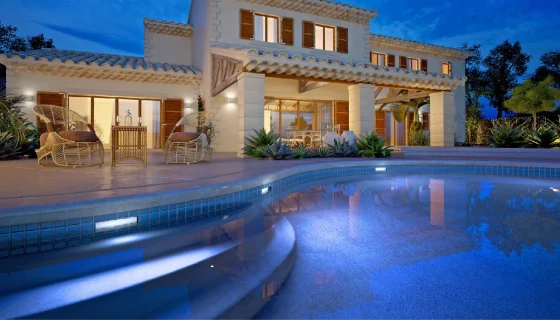
Call 503‑560‑6466 to arrange a professional pool inspection and resurfacing service.
Types of Pool Surface Finishes
Pool resurfacing can involve several different materials depending on the desired appearance and durability. Each material offers unique benefits in terms of longevity, texture, and visual appeal.
Traditional White Plaster
White plaster is a classic pool finish that creates a clean and bright appearance. It remains a popular option for many residential pools.
Quartz Finishes
Quartz-based surfaces combine plaster with crushed quartz aggregate. These finishes are more durable than traditional plaster and offer a slightly textured appearance.
Pebble Finishes
Pebble finishes use small natural stones embedded in plaster. This option provides a highly durable and visually distinctive surface.
Our team delivers professional swimming pool construction and renovation services across Oregon. Our commitment to quality workmanship and durable materials ensures pools that look beautiful and last for years. Here are the top reasons to trust our team with your resurfacing and plastering needs:
Pool resurfacing requires specialized skills and equipment. Our experienced technicians understand the complexities of pool structures and apply proven techniques to achieve precise results.
Durability matters when it comes to pool finishes. We use reliable materials designed to withstand constant water exposure, weather changes, and daily use, ensuring long-term performance.
By combining expert craftsmanship with durable materials, our team delivers pool surfaces that maintain strength and appearance over time, reducing the need for frequent repairs.
Every stage is handled with care from preparation to final finishing. This thorough approach prevents future issues and guarantees a smooth, polished surface.
We personalize every resurfacing and plastering service to match the design, size, and condition of each pool, creating results that fit client needs perfectly.
Book a consultation to experience expert craftsmanship, durable materials, and customized pool resurfacing solutions from our team.
Maintaining a Newly Resurfaced Pool
After resurfacing or plastering, proper care helps preserve the new finish. Pool owners can protect their investment by following several maintenance practices:
These practices help extend the lifespan of the resurfaced surface and maintain water clarity.
Pool resurfacing and plastering play an essential role in maintaining the safety, durability, and appearance of swimming pools. As surfaces age, professional restoration becomes necessary to preserve the integrity of the pool structure.
PDX Pools provides pool resurfacing and plastering services for homeowners and property owners in Brookings, Oregon. Our team handles each stage of the resurfacing process with careful preparation, proper materials, and skilled installation to ensure lasting results for swimming pools throughout the region. Call us today at 503-560-6466 to schedule your consultation and invest in a pool surface that combines strength, beauty, and long-term reliability.
Most concrete or gunite pools need resurfacing every 10 to 15 years. Factors such as pool usage, maintenance quality, and environmental conditions may affect this timeline.
The resurfacing process typically takes several days to complete. The exact timeline depends on the size of the pool, the condition of the existing surface, and the type of material being applied.
Yes. Minor cracks and structural imperfections are commonly repaired during the resurfacing process. Addressing these issues ensures the new surface remains stable and durable.
Yes. Even if the pool holds water, surface damage such as rough plaster, stains, or small cracks can worsen over time. Resurfacing restores the protective layer and helps prevent more serious structural issues.
Resurfacing is commonly performed on concrete and gunite pools. These structures rely on interior finishes like plaster, quartz, or pebble surfaces that eventually require replacement.